Your First Club Visit: What to Find Out Before You Go
Plan your first club visit with clear questions about session pace, what to bring, arrival and beginner support, so you can show up prepared.
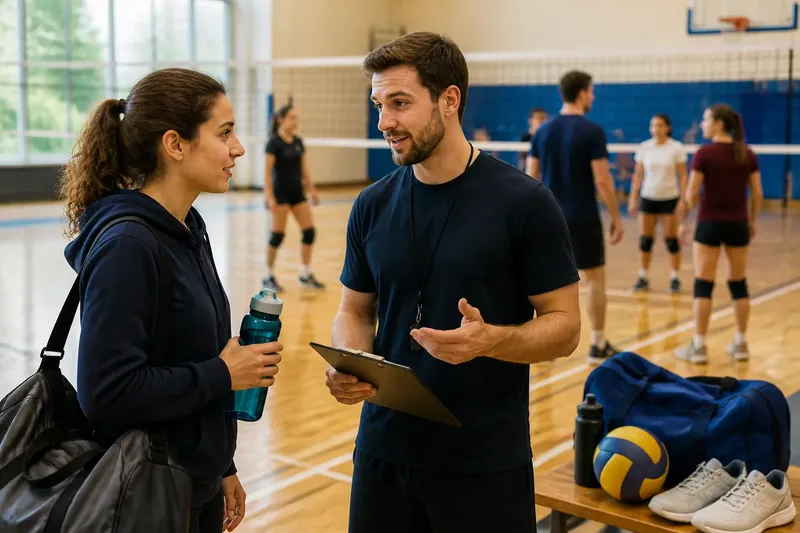
The most common first-visit mistake is guessing what a club means by “beginner session.” You might arrive in everyday clothes expecting a gentle introduction, then discover that the group starts with drills and assumes you already know the basic rules. A few focused questions before your first club visit can prevent that mismatch and help you decide what to bring, when to arrive and who to speak to.
Start by matching the session to your experience
“Beginner” can mean different things from one club to another. It might describe a session for people new to the sport, a mixed group where newcomers can join, or an entry-level team that still expects regular participation.
Ask the organizer what participants are expected to know or do. You could say, “I’m new to the club and have only played casually. Would this session suit me, and should I know any rules beforehand?” That gives the organizer useful context instead of asking them to interpret a vague description.
- If you have never tried the sport: Look for a session that introduces the basic movements and rules. Ask whether a coach or volunteer will explain activities as they begin.
- If you know the basics but feel rusty: A mixed-ability session may fit, provided the club can tell you how newcomers are included. Ask whether you can observe a drill before joining it.
- If you have played elsewhere: Ask whether the club uses any different rules or terms, and whether the session is a practice, trial or selection activity.
- If you are returning after a break: Ask about the pace and physical demands rather than relying on the session title. You can explain what you are comfortable doing and ask whether there is an option to take a break.
Try to get a concrete description of what the group will do, not a promise that you will fit in. “We start with a warm-up, then work in small groups” gives you a clearer picture than “Everyone is welcome,” though both may be encouraging.
Ask about the session format and your role
Before you go, find out whether the visit is mainly an introduction, a coached practice, a casual game or a tryout. Those formats call for different expectations. A first introduction may leave room for questions; a tryout may involve specific instructions and a fixed schedule.
Ask how the session is organized and whether you should join in right away or watch first. It also helps to know whether the coach assigns groups, whether participants rotate partners, and whether newcomers are expected to arrive having completed a form.
Say you have been invited to a volleyball club’s beginner evening but have only played informally at the park. You could ask whether the coach explains rotations and whether you will be placed in a group with other newcomers. If the organizer says players rotate through a short warm-up and simple drills, you can expect to follow spoken directions rather than prepare a full match strategy.
Ask what “participating” means in that setting. Some clubs welcome someone who wants to watch the first activity; others need a head count and expect everyone to take part. Knowing the difference lets you choose a session that suits your comfort level without surprising the people running it.
Choose what to bring based on the activity
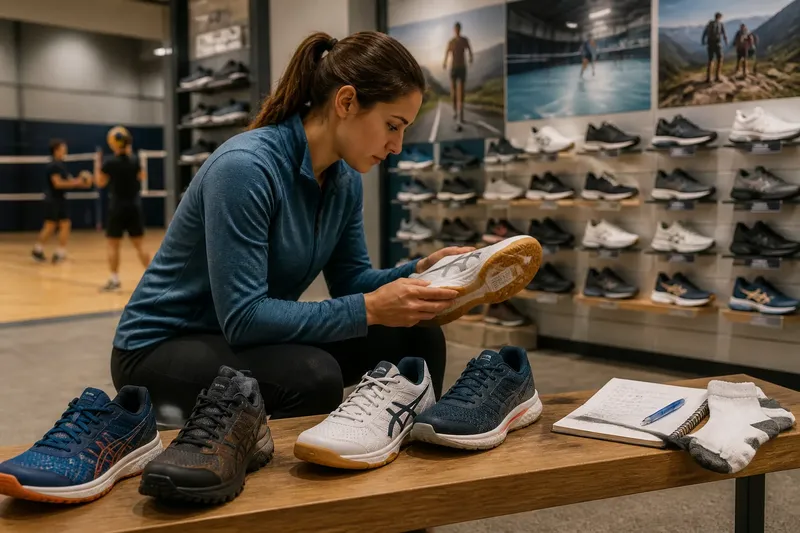
Don’t assemble a full sports kit based on assumptions. Ask which clothing and equipment are required, what the club can lend, and whether you should bring water or a change of clothes. A club may have spare balls or rackets but not the right footwear for its playing surface.
For a session in a gym, ask whether clean indoor shoes are needed. For a field or court, ask what kind of footwear is suitable and whether personal equipment is optional. If the organizer gives a specific requirement, follow it; if something is unclear, ask for an example such as “court shoes” or “comfortable athletic clothes.”
Keep the practical extras simple unless the club says otherwise:
- Clothes that let you move comfortably and suit the venue.
- Footwear that matches the surface, as confirmed by the organizer.
- A water bottle, if the venue allows personal bottles.
- Any personal equipment you already own and are comfortable using.
- A phone or note with the club’s contact name and arrival details.
If you have a physical concern that could affect participation, tell the organizer privately and ask what accommodations or lower-intensity options may be available. For health questions about whether an activity is suitable for you, consult a qualified health professional.
Plan your arrival around the person who can help
Ask which entrance to use, where visitors should wait and who to ask for when you arrive. A sports complex can have several doors, courts or changing areas, and “meet us at the club” may not be enough to find the right group promptly.
Get the person’s name or role, such as the coach, session lead or membership volunteer. Ask whether you should arrive early to sign in, change or receive an introduction, and whether there is a check-in desk. If the venue is unfamiliar, request a landmark or a clear meeting point rather than relying on a pin alone.
Plan your route with enough flexibility to handle a locked entrance or a busy reception area. If you are delayed, message the contact you were given instead of walking into an activity and interrupting instructions. If nobody is available at the stated meeting point, use the club’s official contact channel and wait somewhere safe and visible.
Check the practical details that can change your decision
Before confirming, ask whether the session needs advance registration, whether there is a fee, and whether the club expects you to commit to future sessions. These details affect whether a visit is manageable, especially if you are comparing clubs or have an unpredictable schedule.
Ask what happens if the session is canceled or moved, and where updates will appear. A club might use email, a messaging group or a notice on its own website. Make sure you know which channel applies to your visit so you are not left checking several places.
Consider access and comfort, too. If you need step-free entry, a place to sit between activities or a changing area with particular features, ask the club contact what is available. A brief, direct question can help you decide whether the venue and session work for you before you set out.
Which questions should you ask before choosing a session?
What should I bring to a beginner session?
Ask the organizer about clothing, footwear, water and any equipment the club expects you to provide. Bring only what suits the venue and the instructions you receive; clubs may be able to lend some gear but not all of it.
How do I know whether the session is really for beginners?
Describe your experience plainly and ask what participants are expected to know or do. The answer should clarify whether the session teaches fundamentals, welcomes newcomers into mixed-level activities or assumes prior experience.
Who should I speak to when I arrive?
Request the name or role of the coach, session lead or volunteer, plus a specific entrance or meeting point. Ask whether there is a sign-in process or anything to complete before joining the group.
Should I join in or watch first?
Ask whether newcomers are expected to take part from the start and whether observing the opening activity is acceptable. The answer helps you choose a session that matches your confidence and the club’s format.
Make your decision from the answers, not the label
A good fit is not necessarily the session with the friendliest title. It is the one whose pace, expectations, equipment needs and arrival plan you understand well enough to choose comfortably.
For a first club visit, write down the session name, meeting point, contact person and anything the organizer says to bring. If important details remain unclear, ask one more direct question or choose another session that explains its expectations plainly. That small bit of preparation leaves you free to focus on meeting the group and learning how the club works.